



Sustainable packaging is no longer just a buzzword in 2026. With mounting piles of packaging waste filling landfills and polluting oceans, the pressure on small businesses and handmade brands to make eco-friendly choices has never been greater.
Traditional packaging leaves a heavy mark on our planet. Every box, bag, and wrapper adds up, creating problems for both the environment and conscious consumers.
This article is here to help you navigate the world of environmentally friendly packaging materials. Whether you sell jewelry, candles, or clothing, choosing the right materials can set your brand apart and make a real difference.
Ready to discover the seven best options that blend sustainability, reliable performance, and customer appeal? Let’s explore what’s possible for your business and the planet.
What Makes Packaging Materials Environmentally Friendly?
Choosing the right packaging is about more than just looks. Environmentally friendly packaging materials put the planet first by meeting several key criteria. These include renewability, biodegradability, compostability, recyclability, and a low carbon footprint.
Key Criteria for Eco-Friendly Packaging:
| Criteria | Why It Matters |
|---|---|
| Renewability | Uses resources that can be replenished naturally |
| Biodegradability | Breaks down safely in the environment |
| Compostability | Turns into nutrient-rich soil under composting |
| Recyclability | Can re-enter the supply chain after use |
| Low Carbon Footprint | Produces less pollution through its lifecycle |
Sourcing also plays a big role. Materials like FSC-certified paper or plant-based polymers show a commitment to sustainable resources. The end-of-life journey—whether your package can be composted or recycled—greatly affects how eco-friendly it truly is.
Durability and reusability matter too. Strong, reusable packaging means less waste over time and a better impact on the environment.
Look for packaging with trusted certifications. Standards such as ASTM D6400, EN 13432, or FSC assure buyers that eco-claims are backed up. For a deeper look at these standards, visit Eco Certifications for Packaging.
The need for environmentally friendly packaging materials is urgent. In 2023, the US generated more than 82 million tons of container and packaging waste. Brands like noissue have switched to compostable mailers, helping reduce landfill waste and inspiring others to follow their lead.

7 Best Environmentally Friendly Packaging Materials in 2026
Choosing the right environmentally friendly packaging materials can feel overwhelming, especially with so many innovative options available in 2026. Let’s explore seven top picks that blend sustainability, performance, and customer delight. Each of these materials helps small businesses reduce waste, impress eco-conscious shoppers, and build a greener brand story.
1. Compostable Mailers
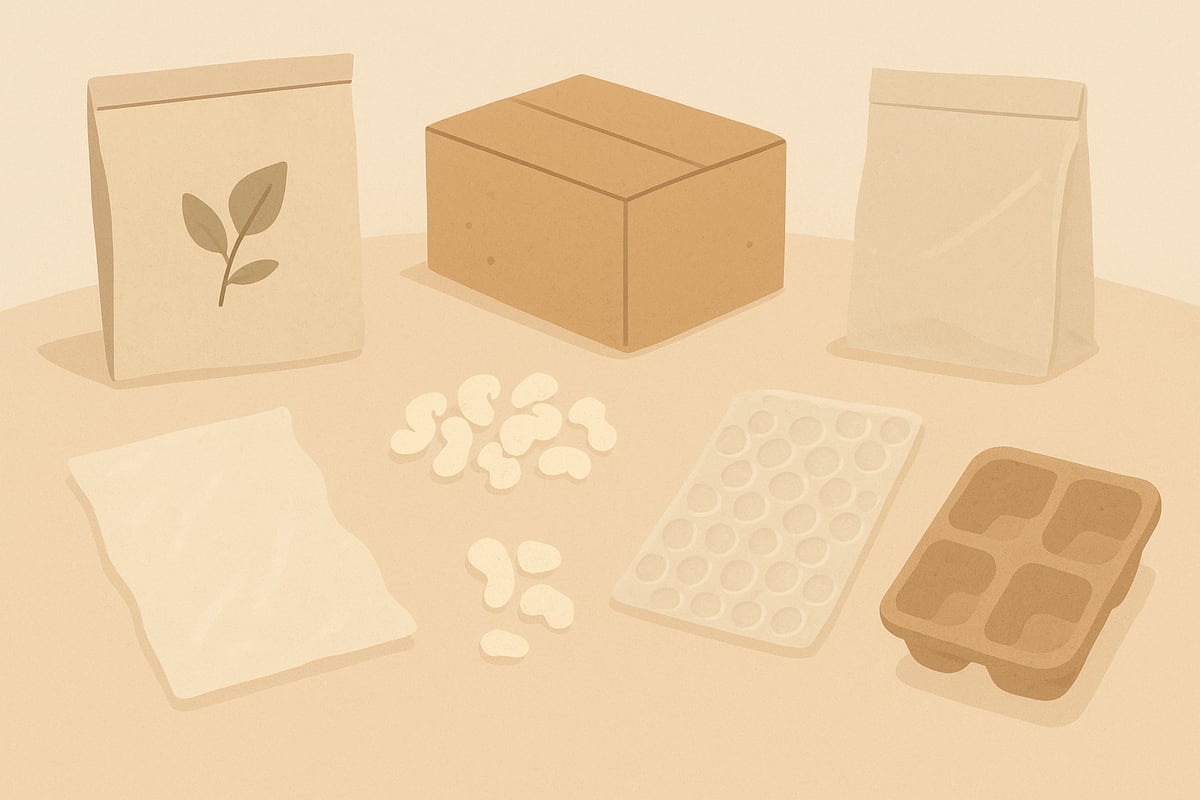
Compostable mailers are revolutionizing environmentally friendly packaging materials for online shops. Made from plant-based PLA, PBAT, or cornstarch blends, these mailers break down in home or industrial compost within 90 to 180 days. They’re perfect for shipping apparel, stationery, or subscription boxes.
Many brands, like Biodegradable Mailer Bags Collection, offer stylish, custom-printed options that are certified by BPI or TUV Austria. The biggest pros are reduced landfill waste and easy customer disposal. The main drawbacks are higher cost and unsuitability for wet items. Still, these mailers are a favorite among eco-conscious businesses wanting to stand out with their environmentally friendly packaging materials.
2. Recycled Paper and Cardboard
Recycled paper and cardboard remain a staple among environmentally friendly packaging materials. Sourced from post-consumer or post-industrial content, these materials are widely used for boxes, mailers, tissue, and void fill. They’re strong, printable, and accepted by most curbside recycling programs.
Corrugated boxes, for instance, can be reused up to 7–10 times, making them a hero for the circular economy. While they offer excellent protection, they can be sensitive to moisture and may need extra padding for fragile items. Still, for most dry goods, recycled paper and cardboard are a smart, affordable choice in the world of environmentally friendly packaging materials.
3. Glassine Bags
Glassine bags are a beautiful and functional option for environmentally friendly packaging materials. Created from wood pulp, these smooth, translucent bags are biodegradable, compostable, and recyclable. They’re naturally grease-resistant and safe for direct contact with food, stationery, or jewelry.
Artisans love glassine for its elegant look and acid-free, pH-neutral properties. Many candle and soap makers use Glassine Bags for Sustainable Packaging to elevate their unboxing experience. The downside is limited moisture barrier, so they’re best for dry goods. Glassine bags are a charming, eco-friendly way to present handmade items and show your commitment to environmentally friendly packaging materials.
4. Cellulose Film Packaging
Cellulose film is a clear, flexible alternative to plastic wraps that fits right into the lineup of environmentally friendly packaging materials. Made from plant fibers like wood, hemp, or cotton, it’s fully compostable and biodegradable.
This material shines for packaging fresh produce, baked goods, or deli items, thanks to its moisture resistance. Many farmers markets now prefer cellulose film for microgreens and treats. It’s plastic-free and home compostable, though a bit pricier and with a shorter shelf life. Makers seeking a transparent finish and eco credentials will find cellulose film a reliable choice among environmentally friendly packaging materials.
5. Cornstarch-Based Packing Peanuts
Cornstarch-based packing peanuts are a fun, safe swap for traditional foam and are gaining popularity in environmentally friendly packaging materials. These peanuts, made from plant starches, dissolve in water and can be composted at home.
They’re lightweight, shock-absorbing, and non-toxic, making them ideal for shipping fragile goods. Eco-minded brands use them to delight customers—just add water and watch them disappear. Downsides include less durability in humid storage and limited reusability. Still, for makers wanting a playful, sustainable touch, these peanuts make environmentally friendly packaging materials feel approachable and fun.
6. Biodegradable Bubble Wrap Alternatives
Looking for cushioning without plastic pollution? Biodegradable bubble wrap alternatives are a protective star in the family of environmentally friendly packaging materials. Options include recycled paper, plant-based films, and honeycomb paper wraps like GreenWrap.
These materials offer effective shock absorption and are easy to dispose of—many are compostable or recyclable. While they can cost more and be harder to source than regular bubble wrap, their eco benefits make them worth considering. For fragile items, these alternatives ensure your environmentally friendly packaging materials do not compromise on safety or sustainability.
7. Mushroom Packaging
Mushroom packaging is perhaps the most innovative of all environmentally friendly packaging materials. Grown from mycelium (the root system of mushrooms) and agricultural waste, it’s molded to fit your products and composts easily at home.
It’s strong, lightweight, and naturally insulating, making it perfect for shipping electronics or specialty foods. Some forward-thinking brands use mushroom packaging to reduce waste and wow customers with its zero-waste credentials. The main challenge is availability and longer lead times, but mushroom packaging sets a new standard for what environmentally friendly packaging materials can be.
How to Choose the Right Eco-Friendly Packaging for Your Business
Choosing the best packaging for your unique products can feel overwhelming, especially with so many options on the market. Let's break it down so you can confidently pick the right fit for your brand, your budget, and the planet.
Assessing Your Product Needs
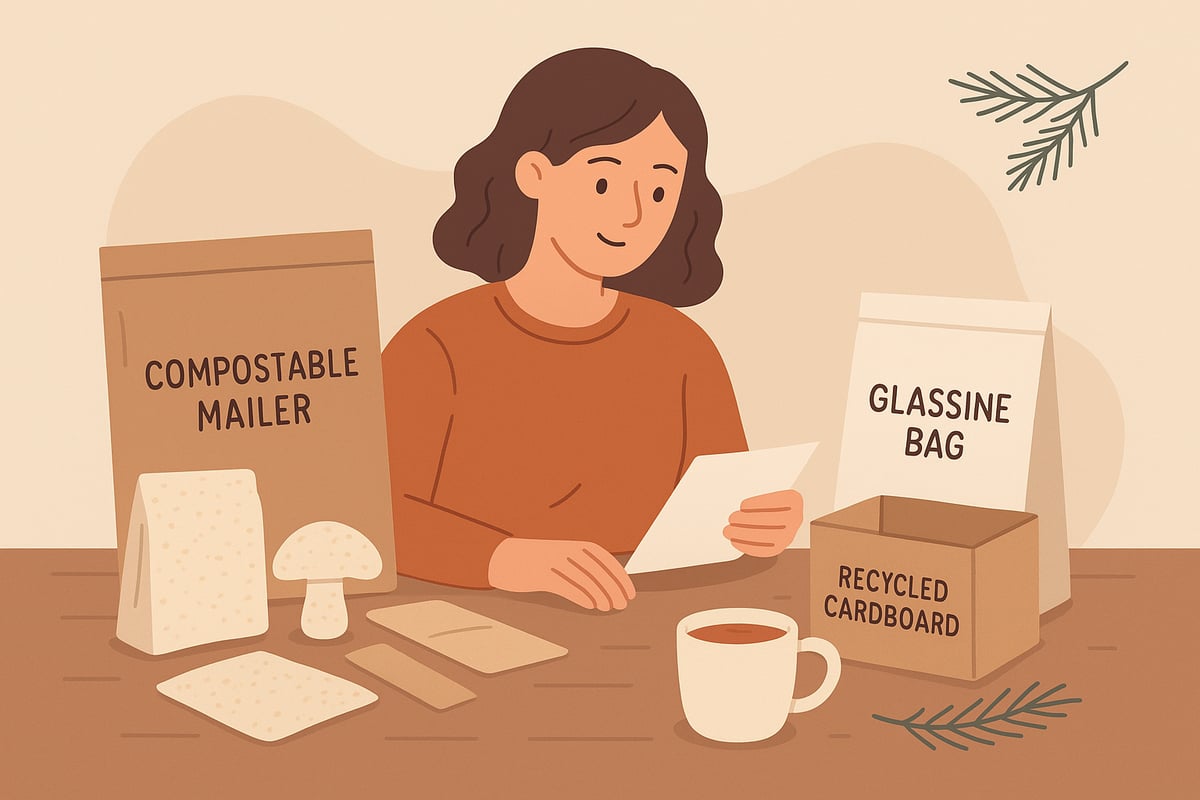
Start by looking closely at your product’s size, weight, and how fragile it is. If you sell items that are sensitive to moisture, like bath salts or artisanal snacks, choose packaging that offers a reliable barrier. For heavier or delicate pieces, durability is key so your environmentally friendly packaging materials protect items and keep customers happy.
Think about the unboxing experience, too. How does your packaging reflect your brand’s story? Glassine bags can highlight the beauty of dry goods, while compostable mailers are perfect for soft goods like apparel. Don’t forget to consider storage space and how long your packaging needs to hold up on the shelf.
Balancing Cost and Sustainability
It’s important to weigh the upfront price of environmentally friendly packaging materials against the long-term benefits. While some options may cost a bit more, they can boost your brand’s value and even save on waste disposal fees over time. Buying in bulk or partnering with eco-conscious suppliers can help lower costs.
Customers are increasingly willing to pay a bit extra for sustainable packaging. In fact, US consumers' views on sustainable packaging show that many shoppers choose brands that prioritize eco-friendly materials. Recycled cardboard often becomes more affordable at scale and is a favorite for shipping.
Staying Compliant and Certified
Before you order, check that your packaging meets local regulations and carries the right certifications. Look for labels like FSC for paper or ASTM D6400 for compostables. These prove your materials are truly eco-friendly and help you stay transparent with customers.
Make sure you understand how to properly dispose of each material, and share this info clearly with buyers. For example, you can guide customers by linking to resources like How to Dispose of Eco Mailers. Staying informed and transparent builds trust and keeps your business ahead of changing laws.


