



As eco-conscious consumers reshape the marketplace, cloth packaging is emerging as a stylish, planet-friendly alternative for 2026. The shift is more than a trend—it’s a movement toward mindful choices that benefit both businesses and the environment.
This guide explores how cloth packaging offers sustainable solutions for brands and makers who want to reduce waste without sacrificing quality or creativity. If you’re searching for ways to make your products stand out while supporting the planet, you’re in the right place.
Discover the environmental benefits, popular cloth types, and practical uses, plus step-by-step strategies to help you integrate cloth packaging into your business. Ready to delight your customers and make a positive impact? Let’s get started.
Why Cloth Packaging? Environmental Impact & Market Trends
Every year, packaging waste piles up fast—82 million tons of containers and packaging hit US landfills, according to the EPA. The search for greener solutions has never been more urgent. That’s where cloth packaging steps in as a reusable, biodegradable, and recyclable alternative that feels both practical and planet-friendly.
Unlike single-use plastics or paper, cloth packaging can be used again and again. Many cloths, like organic cotton or hemp, require less water and energy to produce compared to their disposable counterparts. This means a smaller carbon footprint over the entire lifecycle, from fabric production to end-of-use.
Consumers are paying attention, too. In a recent Statista survey, 67% of shoppers said they prefer brands with eco-friendly packaging. That’s a huge shift, and it’s fueling real momentum in the industry. The sustainable packaging market is expected to reach $470 billion by 2026, as highlighted in this Sustainable Packaging Market Growth Projections report.
Brands are already making the switch. Some use cloth bags for product shipments or gift wrapping, while others design custom pouches to reduce waste and delight customers. These choices don’t just help the environment—they also show shoppers that a brand truly cares.
In short, cloth packaging aligns beautifully with growing consumer values and evolving regulations. For brands and makers, it’s a smart move that’s as good for business as it is for the planet.
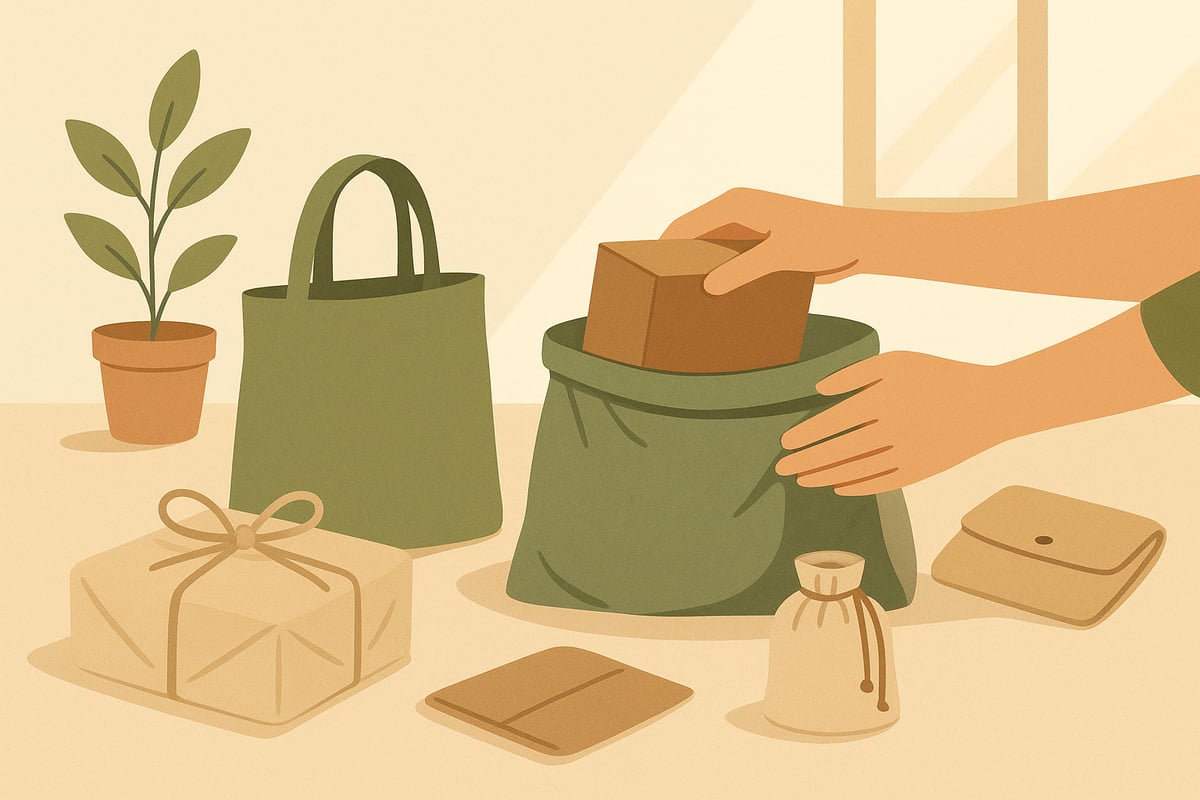
Types of Cloth Packaging Materials & Their Benefits
Choosing the right cloth packaging materials can transform both your product’s impact and your customer’s experience. Let’s explore the unique strengths of each type, so you can find the perfect fit for your business and values.
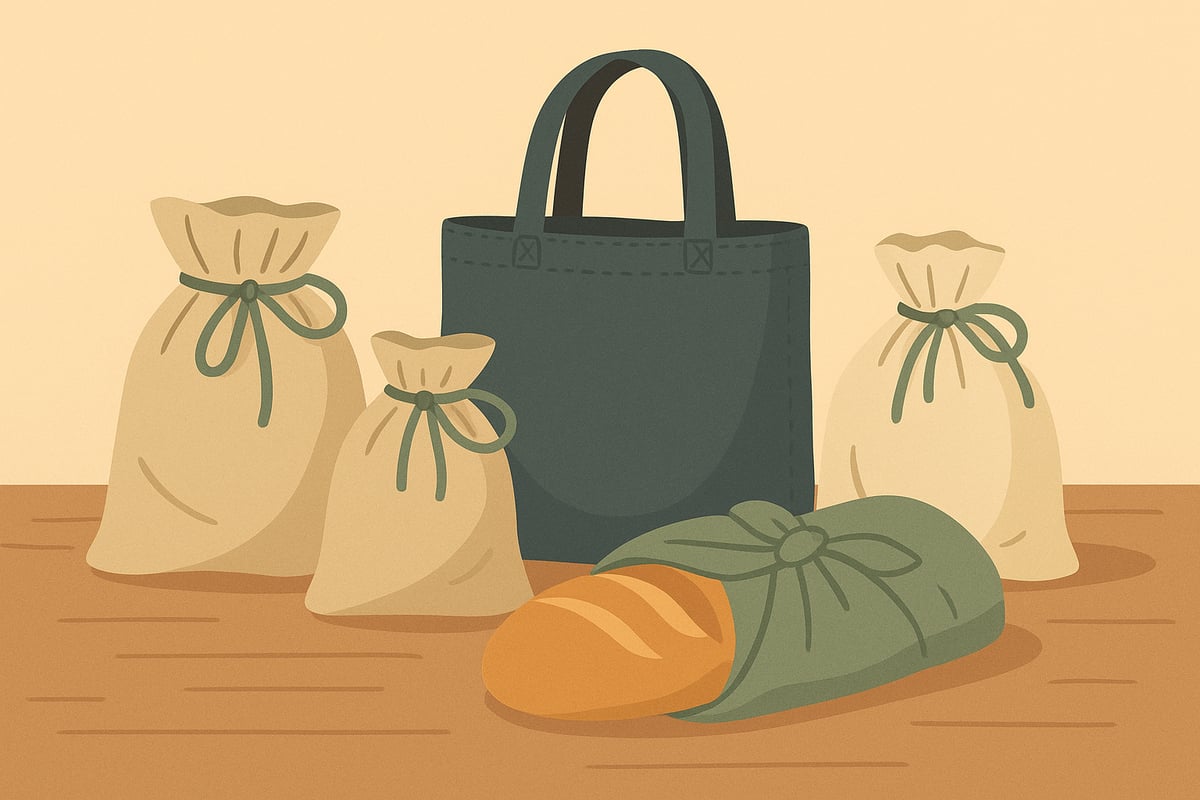
Natural Fibers: Cotton, Linen, Hemp
Natural fibers are a classic choice for cloth packaging. Cotton, linen, and hemp are breathable, durable, and biodegradable. Organic cotton and hemp stand out for their low environmental impact, making them favorites for eco-minded brands. Linen pouches, for example, add subtle luxury to jewelry or skincare items. Each material is gentle on products and kind to the planet.
Recycled & Upcycled Fabrics
Recycled and upcycled fabrics help reduce textile waste by breathing new life into existing materials. Popular options include upcycled denim, sturdy canvas, and sari wraps, each offering a unique look. Many brands now use recycled cotton tote bags for shipping, combining style with sustainability. Curious about more options? The Sustainable mailer bag materials guide dives deeper into eco-friendly choices for cloth packaging.
Specialty Cloths: Muslin, Jute, Bamboo
Specialty cloths open up even more creative possibilities for cloth packaging. Muslin is lightweight and perfect for reusable gift bags. Jute and bamboo are fast-growing, renewable resources, making them ideal for conscious makers. Bamboo cloth wraps work beautifully for food products, offering a gentle, reusable alternative. With so many options, cloth packaging can be as practical as it is planet-friendly.
Practical Applications: How Cloth Packaging Works for Different Businesses
Cloth packaging is making waves in all kinds of businesses, from indie makers to larger brands. Wondering how it could fit into your own shop? Let’s explore the most popular ways companies are weaving cloth into their packaging, one thoughtful detail at a time.

Retail: Boutique Bags and Jewelry Pouches
In the retail world, cloth packaging stands out for its tactile charm and reusability. Small clothing shops love offering cotton or linen tote bags as a thoughtful upgrade to standard paper. Jewelry makers often tuck their pieces into soft drawstring pouches, adding a special touch that customers remember. These bags are not only practical for carrying purchases, but they also invite customers to reuse them long after the sale.
Food & Beverage: Reusable Sacks and Wraps
Food brands are embracing cloth packaging for its freshness and sustainability. Bakeries use breathable cloth bread sacks that keep loaves crisp and reduce single-use plastic. Farmers’ markets and specialty grocers offer reusable produce bags, helping shoppers cut down on waste. Even wine shops are wrapping bottles in sturdy cloth, turning every purchase into a gift-worthy experience.
E-commerce: Pouches for Handmade Goods
E-commerce sellers are finding creative ways to use cloth packaging for shipping. Handmade items often arrive in branded cloth mailer pouches, protecting products while delivering a memorable unboxing moment. Some small businesses feature their story on a hangtag, reinforcing the values behind each package. For makers wanting to elevate their brand, options like custom packaging order options make it easy to design unique cloth bags that fit their vibe.
Events: Gift Bags for Special Occasions
Events and celebrations are perfect settings for cloth packaging. Wedding favors, corporate gifts, and holiday bundles shine in custom-printed cloth gift bags. These keepsake pouches are often reused by guests, extending your brand’s reach and leaving a lasting impression. One small business saw packaging waste drop dramatically after switching to cloth for event swag, and their customers loved the reusable keepsakes.
Cloth packaging is more than a trend—it’s a practical, beautiful way to connect with customers, share your story, and support a greener planet.
Step-by-Step: Implementing Cloth Packaging in Your Business
Ready to make the switch to cloth packaging? Small changes can have a big impact, and it’s easier than you might think. Let’s break it down into four simple steps so your business can transition smoothly and confidently.
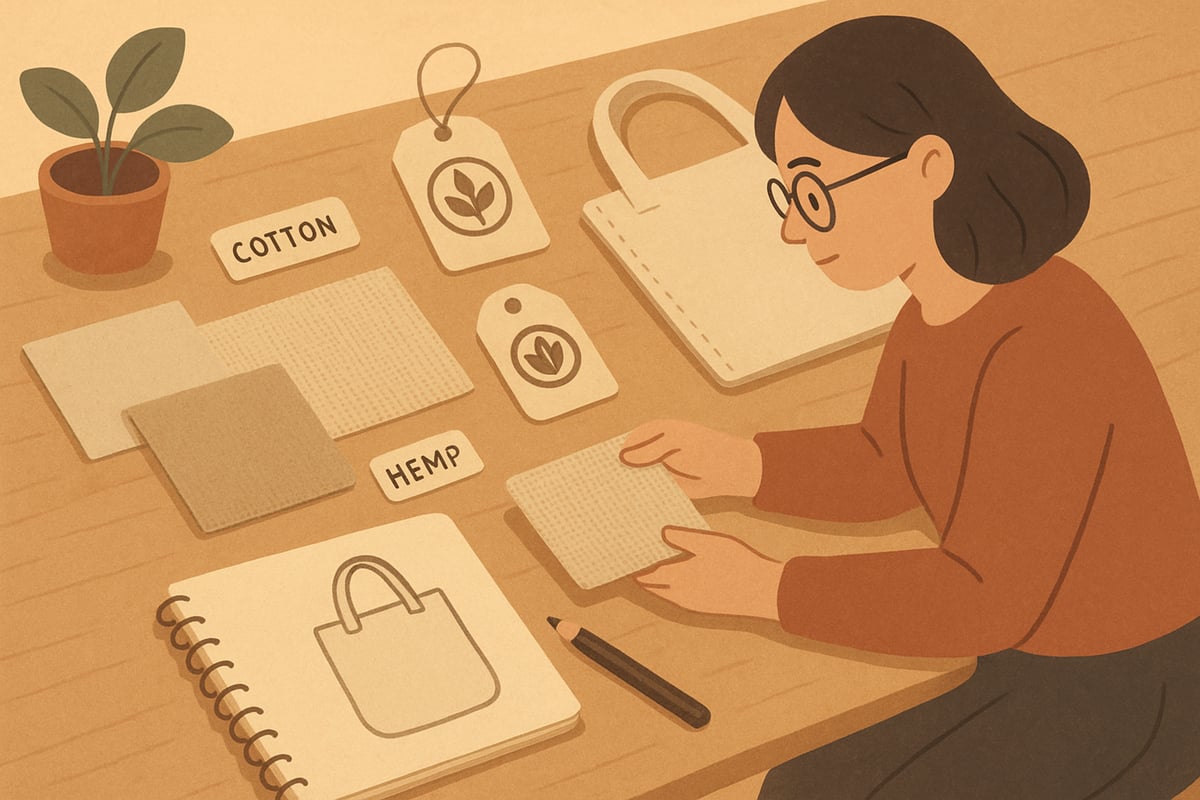
Step 1: Assess Product Needs & Packaging Requirements
Begin by looking closely at your products. Are they delicate, heavy, or have unique shapes? Consider whether cloth packaging will serve as your main packaging or as an extra touch for gifting.
Think about how your items are shipped. Will the cloth protect them in transit, or do you need an extra layer? This first step ensures your cloth packaging is both beautiful and practical.
Step 2: Source Sustainable Cloth Materials
Next, find suppliers who align with your values. Look for materials like organic cotton or hemp, and prioritize ethical sourcing. Certifications such as GOTS or OEKO-TEX help ensure your cloth packaging meets environmental and social standards. For more details on what these certifications mean, see Certifications for sustainable packaging.
- Compare local and overseas suppliers
- Ask about minimum order sizes
- Request fabric samples to check quality
A little research upfront leads to packaging you can be proud of.
Step 3: Design & Customize Cloth Packaging
Now, make your packaging stand out. Choose colors and prints that match your brand. Consider screen printing, embroidery, or custom tags for a personal touch.
Include simple care instructions, so customers know how to reuse or wash their cloth packaging. This step lets your brand personality shine through every order.
Step 4: Educate Customers & Encourage Reuse
Finally, help your customers fall in love with cloth packaging. Add a note about why you chose sustainable materials and share tips for reusing bags or wraps.
- Suggest creative reuse ideas
- Use social media to show packaging in action
- Offer incentives for returning or reusing cloth bags
This step not only builds loyalty but also reinforces your commitment to sustainability.
Challenges & Solutions: Overcoming Barriers to Cloth Packaging Adoption
Switching to cloth packaging is a rewarding step, but it does come with unique hurdles—especially for small businesses and handmade brands. Being aware of these barriers can help you plan ahead and make the most of your sustainable shift.
Many makers encounter challenges such as:
- Higher upfront costs compared to single-use materials
- Need for extra storage due to bulkier cloth packaging
- Cleaning and reusability concerns, especially for food-related products
- Difficulty sourcing consistent, ethically made fabrics
- Navigating regulations, like food safety standards
According to recent industry analysis, these obstacles are common as brands work to implement eco-friendly solutions. If you want to learn more about these industry-wide issues, check out this overview of Challenges in Sustainable Packaging Adoption.
There are practical solutions that can turn these challenges into opportunities:
- Bulk purchasing helps reduce per-unit costs for cloth packaging
- Partnering with local textile artisans can ensure quality and support your community
- Educating customers on care and reuse extends the life of packaging
A great example is a small jewelry brand that teamed up with a local fabric co-op. By collaborating, they lowered material costs and created packaging that reflected their brand values—an approach that also fostered customer loyalty.
Tackling these challenges not only makes cloth packaging more accessible but can also set your business apart as a thoughtful, sustainable leader.
Comparing Cloth Packaging to Other Sustainable Packaging Solutions
Choosing the right eco-friendly packaging can feel overwhelming, especially with so many options on the market. Cloth packaging stands out for its durability and reusability, but how does it compare to paper and bioplastics?
Here’s a quick comparison to help you decide:
| Feature | Cloth Packaging | Paper Packaging | Bioplastics |
|---|---|---|---|
| Durability | Very high, long-lasting | Moderate, can tear | Moderate, moisture-resistant |
| Reusability | Excellent | Limited | Limited |
| Moisture Resistance | Good, especially treated | Poor | Good |
| End-of-life | Biodegradable, recyclable | Biodegradable, recyclable | Compostable, some recyclable |
| Perceived Luxury | High | Moderate | Moderate |
Hybrid solutions are also gaining traction. Some brands combine cloth packaging with recycled paper or compostable liners to maximize both protection and sustainability. The best fit often depends on your product and audience.
For instance, many e-commerce brands use cloth for premium product lines and paper for standard shipments. According to a 2025 survey, 42% of consumers see cloth packaging as more luxurious and giftable than paper. If you’re curious about what really shapes buyer preferences, this study on consumer perceptions of packaging materials offers fascinating insights.
In the end, cloth packaging is just one powerful tool in your sustainable packaging toolkit. Choosing the right mix for your brand can make all the difference.
Resources & Inspiration: Where to Find Cloth Packaging Ideas and Suppliers
Looking for fresh ideas and reliable suppliers for cloth packaging? The journey starts with inspiration from both tradition and modern innovation.
Online directories make it easy to discover eco-friendly packaging suppliers. Many platforms list businesses specializing in certified sustainable materials, so you can compare options at a glance.
Draw inspiration from global traditions like Japanese furoshiki or Indian sari wraps. These methods showcase how cloth packaging can be both practical and beautiful.
Social media is a goldmine for creativity. Browse Instagram or Pinterest for real-life examples, DIY tutorials, and branding ideas.
When sourcing, look for certifications such as GOTS or Fair Trade to ensure ethical, sustainable choices. For helpful ideas on implementing eco-friendly packaging, check out these eco-friendly packaging tips for art.
Small businesses might start with seasonal collections or limited runs to test new cloth packaging styles. Connecting with local textile artists or sustainable brands can spark unique collaborations and help your products stand out.


